







Search Results for: Floral Night Coffee Beans

Colombia Rose Valley and Floral Night Coffee: Flavor Differences, Processing Methods, and Pour-Over Parameter Analysis
Colombian coffee, with its hard bean characteristics brought about by high-altitude slope cultivation, has always been an excellent choice for single-origin coffee. The Rose Valley and Flower Moon Night launched by Front Street Coffee are both from Colombia and both of the Caturra variety, yet they present completely different flavor profiles due to different growing regions and processing methods. Rose Valley is known for its rich floral aroma and bright acidity, with a balanced sweet-and-sour taste like fruit juice; Flower Moon Night stands out with its striking strawberry jam flavor and fermented aroma. This article will compare these two coffees from three dimensions: growing region background, variety characteristics, and processing techniques, and will also include Front Street's brewing parameter recommendations to help coffee lovers choose the one that suits them best between the two. [more…]

Colombia Huila Coffee Flavor Analysis: A Comparative Recommendation of Two Single-Origin Beans, Rose Valley and Flower Moon Night
Colombia, as the world's third-largest coffee producer, nurtures many specialty coffees thanks to its high altitudes, volcanic soil, and mild climate. The Huila region is precisely the most representative star origin among them, known for its canyon-slope terrain and hand-picking. This article will focus on two distinctive single-origin coffees from the Huila region—Front Street Rose Valley and Front Street Flower Moon Night—breaking down the origin terroir, variety characteristics, and processing method differences one by one. Rose Valley uses a double anaerobic enzyme wash, with bright acidity reminiscent of fruit juice; Flower Moon Night undergoes anaerobic natural processing, with a rich yet balanced flavor. Although both originate from the Caturra variety, they present completely different flavor profiles due to different processing techniques. If you are interested in coffee beans with rose floral notes, you may want to follow Front Street's perspective and explore further. [more…]
Analysis of the New Season Flavor of Colombian Hanami Coffee: Processing Differences Between Geisha Blend and Flower Moon Night by Origin
The new-season Colombian Hanami coffee has arrived. This bean, a blend of Geisha, Caturra, and Catuai from the Monteblanco estate and processed using the washed method, has many friends who have tried Hanamiyue coffee wondering: does Hanami also carry floral notes? What exactly is the difference between the two? From the perspective of Front Street, this article compares Colombian Hanamiyue and Hanami coffee, sorting out their respective origins, estate stories, variety composition, and processing methods, and includes flavor descriptions to help coffee lovers understand the different charms of these two beans from the Huila region. [more…]
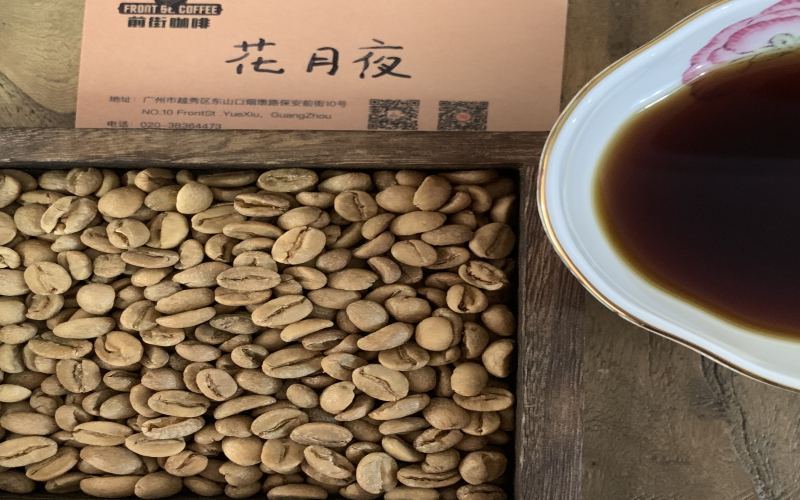
Colombia Flower Moon Night vs. Yirgacheffe Pour-Over Comparison: Flavor Differences Between Anaerobic Natural and Washed Processing
On Front Street Coffee's bean list, Colombia coffee and Yirgacheffe have always enjoyed great popularity, especially among enthusiasts who prefer sweet, fruity, and floral notes, who often find themselves torn between these two. This article uses Front Street Colombia Flower Moon Night and Front Street washed Yirgacheffe as examples to make a comparative analysis, from origin background and processing methods to actual brewing performance. Flower Moon Night uses anaerobic natural processing, bringing strawberry, jam, and a cocoa finish; Yirgacheffe, on the other hand, is a classic washed style, presenting citrus-lemon acidity, jasmine floral notes, and a tea-like body. Through this comparison, it helps you more clearly understand the flavor directions and selection choices of the two when brewing pour-over. [more…]
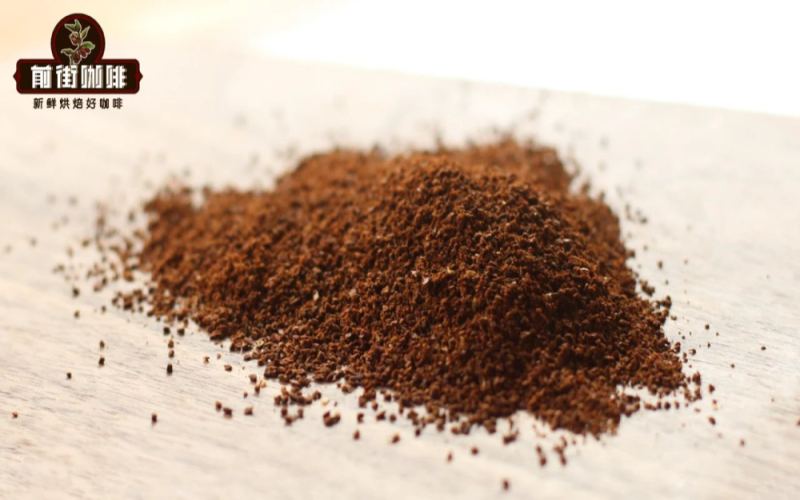
Colombia Flower Moon Night and Rose Valley Coffee Bean Flavor Analysis and Detailed Explanation of Anaerobic Processing
Colombia is located in the northwest of South America, with a mild, spring-like climate that provides a superior growing environment for coffee trees. The country is an important producer of high-quality coffee worldwide, with beans mostly grown in the high-altitude regions of the Andes Mountains, requiring manual harvesting, and washed processing being relatively common. In recent years, special processing methods such as anaerobic fermentation have gradually become popular, and Front Street Coffee has also launched two representative beans, Rose Valley and Flower Moon Night. This article will compare the differences between these two Colombian coffees from the perspectives of variety, processing method, flavor performance, and brewing parameters, and introduce the characteristics of Front Street Coffee's daily beans such as Huila and Isabella, helping enthusiasts understand the diversity of Colombian coffee more systematically. [more…]
Colombian Coffee Varieties and Huayue Night Flavor Analysis: Characteristics of Good Coffee Beans and the Advantages of the Boquete Producing Region
Colombia is a globally renowned coffee-producing country, and the Huila region's Flower Moon Night coffee, produced through a combination of anaerobic natural processing and the Caturra variety, displays a unique flavor profile of strawberry, floral notes, and a dark cocoa finish. This article begins with Front Street Coffee's Flower Moon Night and extends to the advantages of the high-altitude microclimate and volcanic soil of Panama's Boquete region, analyzing the cultivation conditions and processing techniques behind good coffee beans. It also introduces the origins and flavor characteristics of the Caturra variety, as well as Gatineau Farm's practices of low-temperature slow fermentation and slow drying to enhance quality, providing coffee enthusiasts with a complete understanding from origin to cup. [more…]
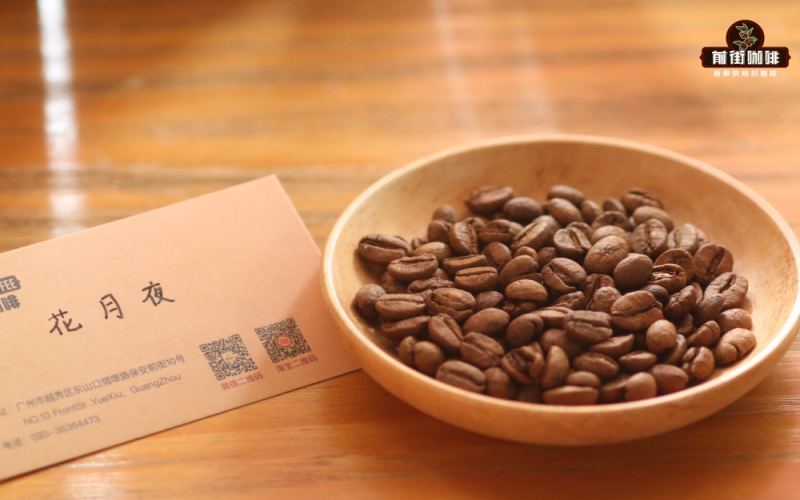
How is anaerobic natural different from regular natural? A complete comparison from processing workflow to brewing flavor
Coffee processing methods directly influence the flavor direction in the cup. Natural processing, as the most traditional method of green coffee processing, allows the fruit pulp to wrap around the seed and dry slowly, resulting in a broader flavor spectrum and greater sweetness; anaerobic natural processing, on this basis, introduces sealed low-temperature fermentation, which slows pectin decomposition and causes pH to drop more gradually, thereby accumulating more sweet compounds. This article will start from the specific processes of the two methods, analyze their effects on coffee flavor, and use Front Street Colombia Luna Night, which employs anaerobic natural processing, as an example to explain how to adjust grinding, water temperature, and pouring technique for such beans to brew a full fermented sweetness and a rounded mouthfeel. [more…]

Colombia Huila Coffee Region Explained: The Flavor Code and Brewing Tips of Floral Moonlight Double Anaerobic Natural
Colombia, as the world's second-largest coffee-producing country, has given rise to countless unforgettable specialty coffees thanks to its superior natural conditions and its relentless pursuit of quality. Among them, the Huila region is renowned for its balanced and full-bodied flavors, while Front Street Coffee's Flower Moon Night, with its double anaerobic natural processing method, brings intense strawberry aromas and winey chocolate notes, making it a popular choice among specialty processing methods. This article will systematically sort through the industrial background of Colombian coffee, the terroir advantages of the Huila region, the necessity of manual picking, and the processing techniques and brewing parameters of Flower Moon Night, taking you deep into the story behind this unforgettable coffee. [more…]
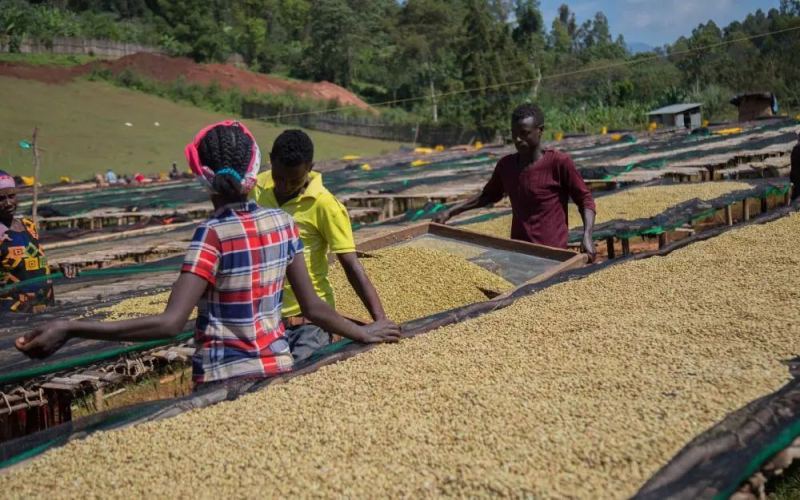
A Detailed Guide to Specialty Coffee from Ethiopia's Guji Region: Flavor Characteristics of the Hambela, Shakiso, and Uraga Sub-Regions
Guji is one of the most recognizable producing regions in Ethiopia's specialty coffee landscape. It was separated from Sidama in 2010 and administratively belongs to the Oromia Region. Here, high mountains and deep valleys, fertile volcanic soil, and sharp temperature differences between day and night give rise to coffees with both floral and fruity notes. Guji encompasses several well-known sub-regions, including Hambela, Shakiso, and Uraga, among which Hambela is the birthplace of the "Huakui" coffee beans. This article systematically reviews Guji's geography and terroir, the flavor characteristics of its various sub-regions, and the origin background, processing methods, and brewing suggestions for Front Street Coffee Sidama Natural Huakui, helping coffee enthusiasts gain a comprehensive understanding of this region's unique charm. [more…]
Ethiopia Guji Region Coffee Flavor Analysis: Hambela, Shakiso, Uraga Sub-regions and Huakui Bean Characteristics
Guji is the second specialty coffee region in Ethiopia to become independent from Sidamo after Yirgacheffe, and it quickly rose to fame in just over a decade thanks to its highly recognizable regional flavors. Guji has complex terrain and deep volcanic soil, and its high altitudes and significant day-night temperature differences together create a rich array of aromatic compounds. Its sub-regions such as Hambela, Shakiso, and Uraga each have their own characteristics: Hambela is the birthplace of "Huakui," Shakiso is known for its lemon-honey profile, and Uraga stands out for its tea-like body and floral-fruity aroma. Front Street Coffee's Huakui comes precisely from naturally processed beans in the core Hambela production area. This article will provide a complete analysis of the flavor code of Guji coffee, from regional divisions and terroir conditions to processing methods and brewing parameters. [more…]
Full analysis of the flavor differences between Colombia's Flower Moon Night and Rose Valley coffee beans: a comparison of rose aromas from the two major producing regions of Huila and Santander
In the world of coffee, some beans have inherently poetic names, and Rose Valley and Flower Moon Night are prime examples. When many enthusiasts first hear these names, they can't help but wonder: do they really carry the scent of roses? And what sets these two beans apart? This article will take you on an in-depth exploration of Flower Moon Night from the Huila region of Colombia and Rose Valley from Big Tree Estate in the Santander region, analyzing everything from terroir and varieties to processing methods and final cup profiles. This Flower Moon Night selected by Front Street Coffee comes from the Astorga Estate in Huila, while Rose Valley originates from Big Tree Farm. Both are Caturra variety, yet due to different processing methods—anaerobic natural and double anaerobic enzyme washed—they present completely distinct flavor directions. After reading this article, you will clearly grasp the core characteristics and tasting points of these two beans. [more…]
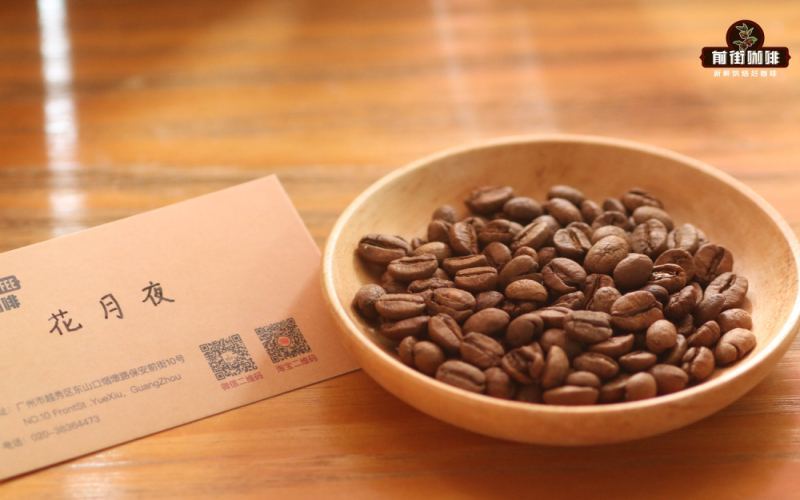
Is Colombia Flower Moon Night a flavored bean? Analyzing the taste and characteristics of the strawberry jam-flavored anaerobic natural coffee
Colombian Flower Moonlight coffee beans have attracted much attention because they release an intense strawberry jam aroma as soon as the bag is opened. Many coffee lovers wonder: is such a vivid fruity fragrance the result of natural fermentation, or has flavoring been added? Starting from Front Street Coffee's cupping and brewing experience, this article sorts out this bean's producing region background, estate information, variety characteristics, and anaerobic natural processing method, and also includes Front Street's roasting curve, cupping flavors, and pour-over parameters to help you fully understand where Flower Moonlight's strawberry profile comes from and why it has become one of Front Street's most popular coffees among female customers. [more…]
Exploring Ethiopian Coffee: From Kaffa Origins to Thoroughbred-Like Quality and Unique Drinking Rituals
Ethiopia, this ancient East African nation, is not only one of the cradles of human civilization but also the homeland of coffee. The English word "coffee" itself is derived from the Ethiopian region of "Kaffa." With over 140 heirloom varieties, different growing regions give the coffee distinctive flavors: the richness of Harar, the floral and lemony acidity of Yirgacheffe... Ethiopians cherish coffee as if it were a thoroughbred horse, and have developed a renowned drinking ceremony. However, Chinese friends should take note: local coffee is exceptionally strong, and three cups may keep you awake all night. Follow Front Street as we step into the world of Ethiopian coffee. [more…]
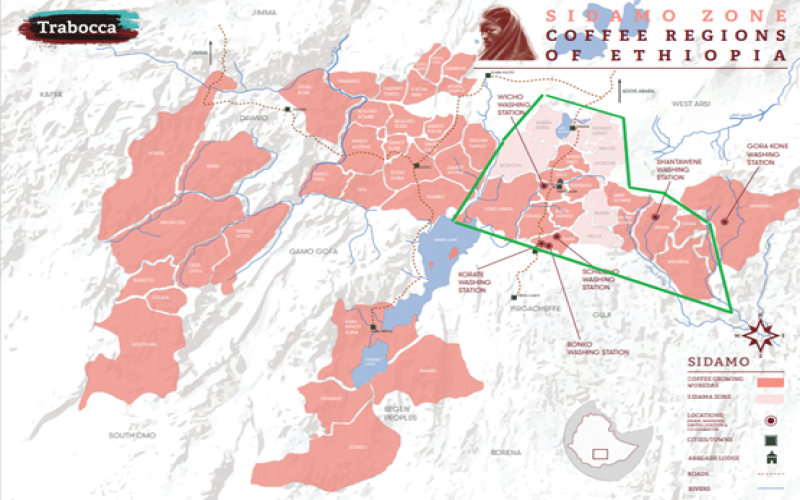
A Comprehensive Analysis of Sidamo Specialty Coffee: A Flavor Guide to the Guji, Hambela, and Arsi Sub-regions and Huakui
Sidamo is one of Ethiopia's most representative specialty coffee regions, located in the fertile highlands of the East African Rift Valley. Thanks to abundant rainfall, significant day-night temperature differences, and diverse microclimates, it nurtures coffees with intertwined floral and citrus flavors and rich layers of complexity. This article systematically sorts out Sidamo's geographical environment and the layout of its eight major production areas, provides an in-depth introduction to the terroir characteristics of sub-regions such as Guji, Hambela, and Arsi, and recounts in detail the rise to fame of Huakui coffee, its naming rules, and brewing parameters. At the same time, it presents Front Street Coffee's hands-on review of two beans—Natural Arsi and Huakui 8.0—to help coffee enthusiasts gain a comprehensive understanding of this region's unique charm. [more…]
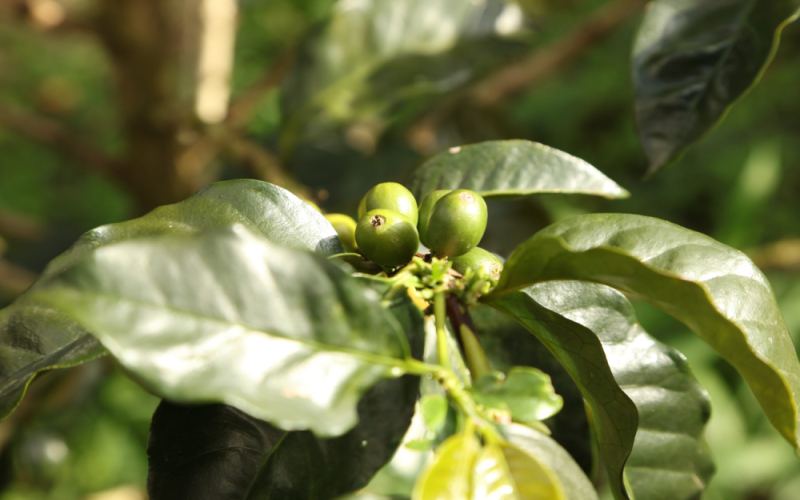
Colombian Coffee Flavor Analysis: From Rose Valley to Sakura, Exploring the Regional Characteristics of Strawberry-Flavored Coffee Beans
Colombian coffee is known for its balanced, smooth body and bright acidity, and on this land nourished by the Andes Mountains, different regions and processing methods give rise to distinctly characteristic flavors. This article takes you deeper into the geographical indication background of Colombian coffee and the distribution of its main producing regions, with a focus on analyzing the flavor characteristics and processing techniques of coffee beans such as Rose Valley, Huila, Flower Moon Night, and Cherry Blossom, while also sharing Front Street Coffee's brewing suggestions to help you find your ideal strawberry-flavored coffee beans. [more…]

Cold Brew Coffee Bean Selection Guide: From Brewing Process to Front Street Single-Origin Bean Flavor Recommendations
Cold brew coffee has a low barrier to entry: simply combine water and coffee grounds, seal, and refrigerate—then leave the rest to time. This article first outlines Front Street Coffee's cold brew parameters, including coffee dose, grind size, coffee-to-water ratio, steep time, and the steps for filtering and refrigerating. It then explains bean selection based on cold brew extraction characteristics, recommending beans that have passed their resting period. Finally, organized by three flavor directions—fresh floral and fruity, citrus and berry, and delicate honeyed—it introduces the Geisha, Butterfly, Huakui 5.0, Natural Red Cherry, Flower Moon Night, Rose Valley, Mozart, and other single-origin beans on Front Street's bean list that are suitable for cold brew, along with their flavor profiles, making it easy for coffee lovers to choose according to taste. [more…]

Pour-Over Beans from High-Altitude Regions: Why Are Floral and Fruity Notes Clearer?
When drinking pour-over coffee, have you ever noticed a pattern: those beans with particularly clear floral and fruity notes often come from high-altitude origins. Between altitude and flavor lies a very interesting causal chain—once you understand it, your eye for choosing beans will become much sharper. The reason high-altitude growing regions produce good flavor is first of all temperature. [more…]
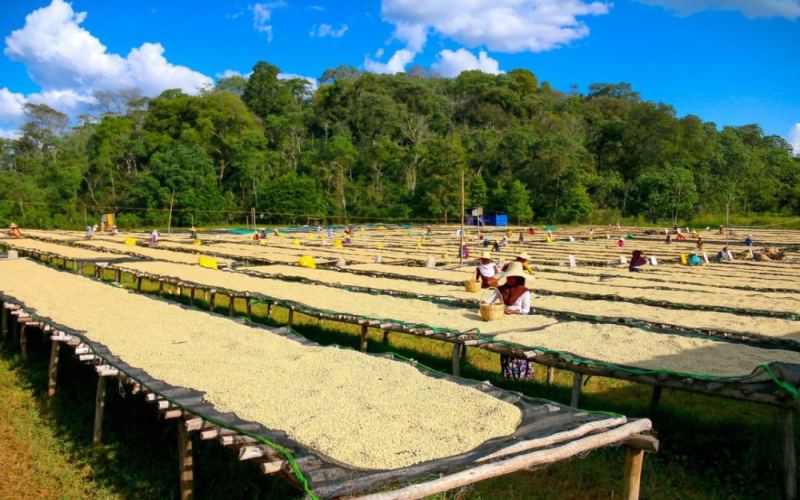
An Analysis of the Pour-Over Charm of Heirloom Geisha and Huakui Coffee Beans from Ethiopia's Guji Region
Ethiopia's Guji region, with a terroir character entirely distinct from Yirgacheffe, emerged as separate from Sidama and became the birthplace of many classic coffees—Front Street Coffee's Huakui series originates from its sub-region, Hambela. The high altitude and large temperature swings between day and night here give the coffee cherries richer acidity and fruit-toned character. The Buku processing station adheres to strict standards of whole-ripe-cherry picking and a sugar content value above 30, combined with African raised-bed sun-drying and meticulous turning management, ultimately presenting multi-layered flavors of citrus, pineapple juice, peach, guava, and strawberry jam. This article will take you into the world of Guji's heirloom landrace varieties, exploring how everything from regional terroir to processing details, and then to roasting approach, comes together to create a cup of specialty pour-over coffee. [more…]
Flavor analysis of Huila, Colombia Huayueye coffee beans: Exploring anaerobic natural processing and strawberry notes
The Colombian coffee industry is currently facing the challenge of a shortage of picking labor due to the pandemic, while the Huila region continues to attract attention for its balanced flavor and rich fruity notes. The Flower Moon coffee beans from the Acevedo Gading farm that Front Street Coffee has acquired use the anaerobic natural processing method and are based on the Caturra variety, displaying complex flavors such as strawberry jam, cranberry, and liqueur-filled chocolate. This article will guide you through the latest developments in the Colombian production region, provide an in-depth analysis of the characteristics of the Huila region, the processing method and cupping performance of the Flower Moon coffee beans, and share Front Street Coffee's roasting and brewing insights. [more…]

Colombia Huila Washed Caturra Flavor Analysis and Pour-Over Parameters Explained
Colombia is the world's third-largest coffee producer and the only country legally permitted to grow exclusively Arabica, ranking first globally in washed coffee output. Front Street Coffee's bean list features a rich selection of Colombian coffees, ranging from everyday-value Huila washed Caturra to refined estate offerings like Flower Moon Night. This article approaches the topic from the broad flavor profile of the producing regions, mapping out Colombia's coffee cultivation scale, geographic and climatic advantages, and industry system. It focuses on the flavor performance and brewing methods of Front Street's Huila washed Caturra, and compares it with the anaerobic natural style differences of Flower Moon Night from the same region, helping coffee enthusiasts build a systematic understanding of Colombian coffee and pick the one that suits their taste. [more…]